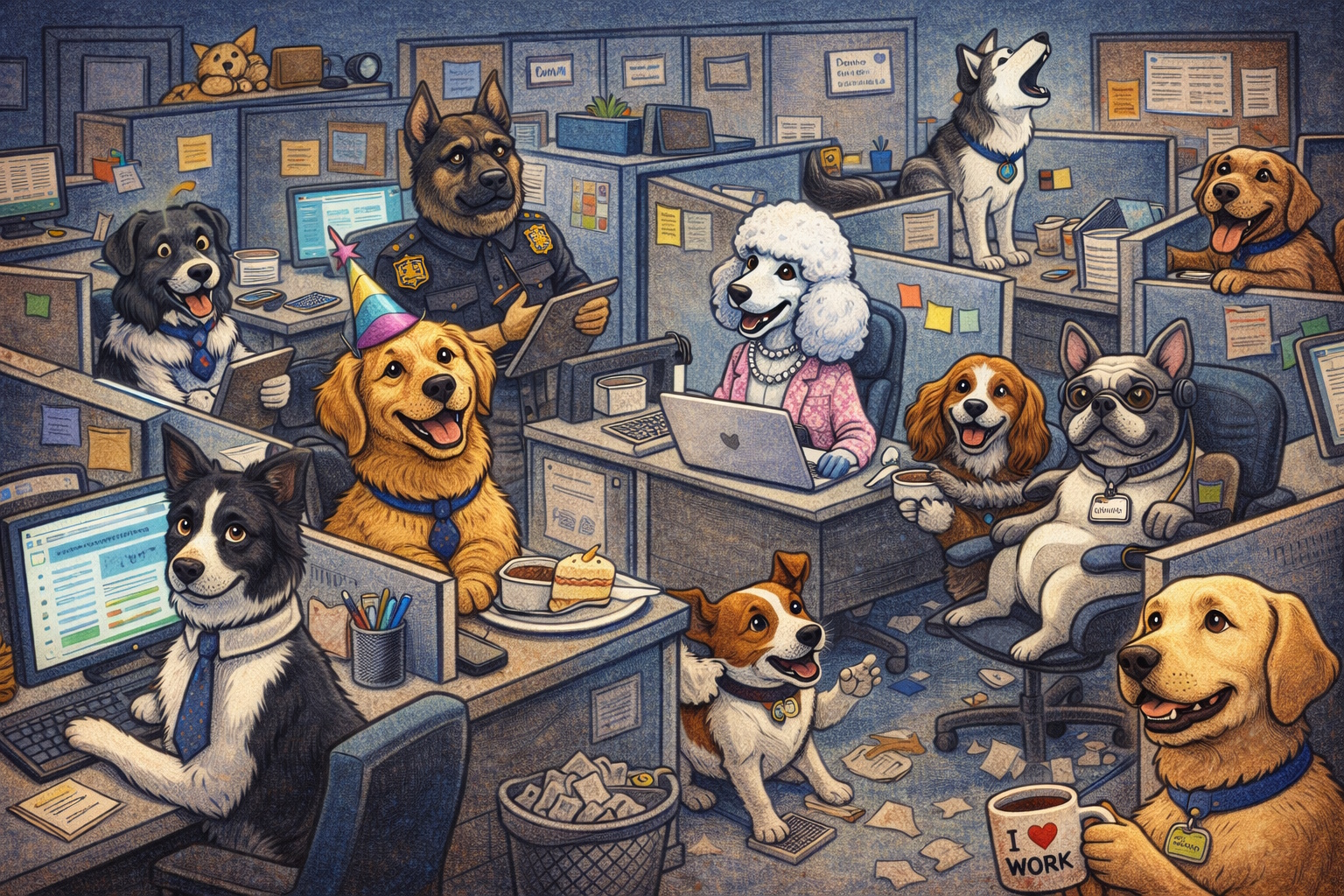
I have worked with enough people to know two things.
First, offices are not professional environments. They are adult kennels with spreadsheets.
Second, every colleague you have ever had can be accurately described as a dog breed. Sometimes this is flattering. Sometimes it explains why they respond to emails at 11:47pm with the emotional intensity of a border dispute.
This is not judgement. This is classification. A public service. A small attempt to impose order on the strange ecosystem we have built around Teams meetings, vending machines, and the shared delusion of “circling back”.
What follows is a workplace performance review of the twelve most common canine colleagues.
1. The Labrador Retriever (The People-Pleasing Generalist)
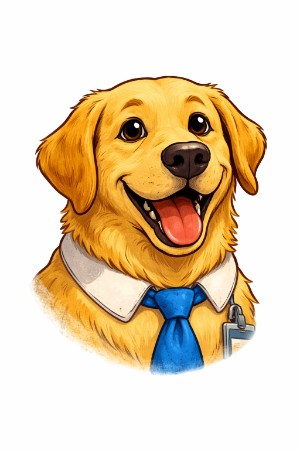
The Labrador is the colleague who replies first, volunteers immediately, and somehow ends up owning half the department’s workload out of sheer friendliness.
They will say “happy to help” even when they are clearly not happy and do not have the time.
Strengths: dependable, kind, universally liked. Will fetch anything you throw at them, including other people’s responsibilities.
Risks: cannot say no. Slight tendency to burn out quietly while assuring everyone they are “fine”.
Dwight’s note: The Labrador is the reason management believes understaffing is sustainable.
2. The Border Collie (The High-Functioning Overachiever)
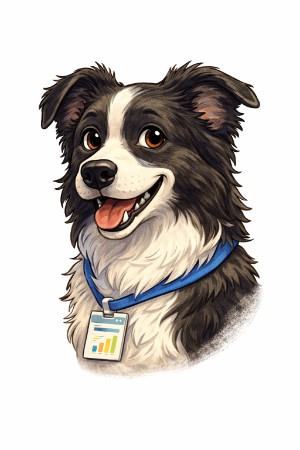
The Border Collie has colour-coded spreadsheets, an alarm for “deep work”, and the slightly haunted eyes of someone who has never truly relaxed.
They are always early. They always have an agenda. They treat every project like a sheep-herding problem, and they will herd you if you let them.
Strengths: output, speed, precision. If work were oxygen, the Border Collie would be able to breathe underwater.
Risks: cannot switch off. Will reorganise your work “to help” and then look surprised when you become passive-aggressive.
Dwight’s note: The Border Collie’s idea of a break is making a second spreadsheet about the first spreadsheet.
3. The German Shepherd (The Policy and Security Person)
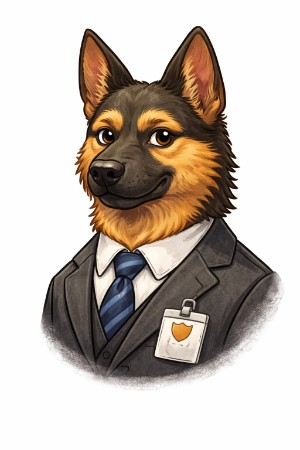
The German Shepherd knows the rules, knows why the rules exist, and will remind you of them at the exact moment you attempt to do something informal.
They sit in meetings like a bouncer with a clipboard.
Strengths: protective, conscientious, dependable. Excellent in a crisis. Will guard the team from nonsense.
Risks: can drift into suspicion. Not a natural fan of “fun” or “creative ambiguity”.
Dwight’s note: The German Shepherd has never said “we’ll just see how it goes” without visibly flinching.
4. The Jack Russell Terrier (The Chaos Starter)
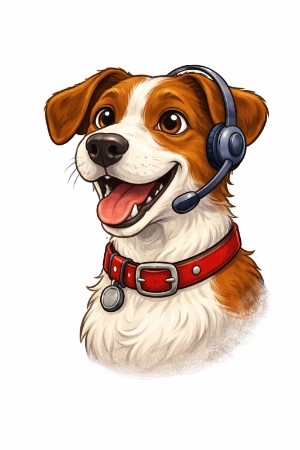
The Jack Russell is small, fearless, and powered entirely by adrenaline and spite.
They will start debates in the group chat “for clarity” and then refuse to let them die.
Strengths: energy, bravery, the ability to ask questions everyone else is too polite to ask.
Risks: cannot drop anything. Ever. Will chase minor issues into the ground until everyone is exhausted.
Dwight’s note: If you think there isn’t a Jack Russell in your team, you are the Jack Russell.
5. The Golden Retriever (The Culture Ambassador)
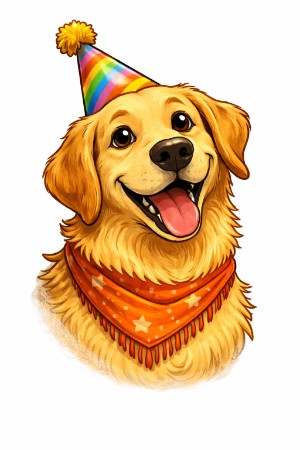
The Golden Retriever is the colleague who keeps morale alive through sheer warmth. They organise birthdays, remember your dog’s name, and manage to sound genuinely pleased to see you at 9am.
Strengths: team cohesion, kindness, and the rare ability to make people feel included.
Risks: optimism can become a coping mechanism. Sometimes weaponised positivity appears: “We’ve got this!” (We do not have this.)
Dwight’s note: The Golden Retriever is why your workplace still occasionally feels like a community rather than a holding pen.
6. The Dachshund (The Passive-Aggressive Specialist)
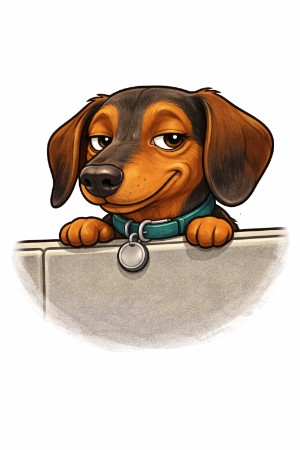
The Dachshund is small, smart, and has an excellent memory for slights.
They will not argue. They will simply store resentment in a private archive and release it later as a polite email with sharp edges.
Strengths: detail-oriented, loyal, quietly competent.
Risks: grudges. Also, a strong attachment to being right.
Dwight’s note: If a message begins with “Just to clarify…” the Dachshund has already chosen violence.
7. The French Bulldog (The Vibes-Only Colleague)
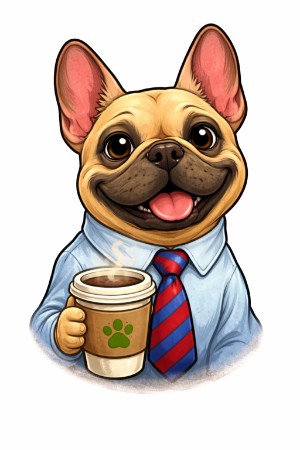
The French Bulldog is always present, always charming, and somehow never the person responsible for the difficult bit.
They contribute morale more than labour. They are excellent at saying “that’s wild” while everyone else is drowning.
Strengths: lifts the mood. Great at softening tension. Often beloved.
Risks: a surprising absence of output. Frequently “in a meeting”. Sometimes breathes like an unplugged vacuum cleaner.
Dwight’s note: If the French Bulldog left tomorrow, the team would miss them. Also, some work might finally get done.
8. The Siberian Husky (The Dramatic Remote Worker)
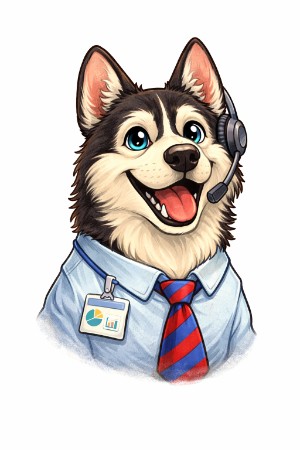
The Husky communicates like they are narrating an epic saga.
They will join calls with a solemn face and announce, “Right. So. I have concerns.” Then they will describe a small issue as if it threatens civilisation.
Strengths: charisma, boldness, honesty. Not afraid of conflict.
Risks: volume. Drama. The tendency to turn every minor inconvenience into an event.
Dwight’s note: The Husky could make “the printer is jammed” feel like a national emergency.
9. The Poodle (The Polished Operator)
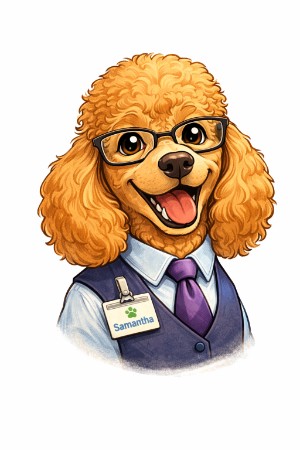
The Poodle always looks composed. Even when everything is collapsing, they speak calmly and write emails that somehow turn catastrophe into “an opportunity to realign priorities”.
They are often client-facing, stakeholder-facing, or management-facing, because they can translate chaos into something that sounds intentional.
Strengths: presentation, diplomacy, calm under pressure.
Risks: occasionally prioritises the narrative over the reality. Can drift into style over substance.
Dwight’s note: The Poodle can make failure sound like strategy. This is both a skill and a threat.
10. The Cocker Spaniel (The Enthusiastic Collaborator)
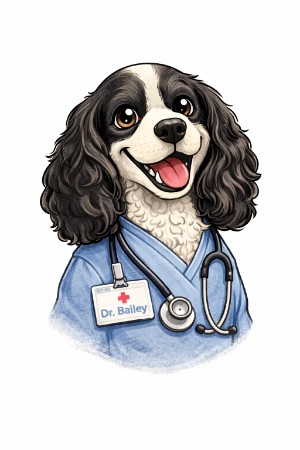
The Cocker Spaniel is friendly, eager, and always keen to be involved. They reply quickly, volunteer often, and bring a real sense of “we’re in this together”.
Then they get distracted.
Strengths: warmth, collaboration, energy. Brilliant in brainstorms.
Risks: focus is optional. Prone to side quests. Will start five things and finish three.
Dwight’s note: The Cocker Spaniel will ask how you are, mean it sincerely, and then forget what you said because something shiny happened.
11. The Greyhound (The Silent High Performer)
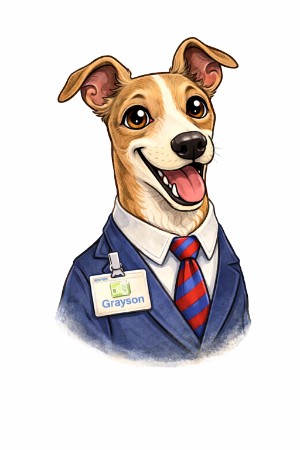
The Greyhound does two hours of extraordinary work and then disappears.
They are not interested in meetings, politics, or “visibility”. They want clear tasks, minimal interference, and the freedom to vanish into quiet.
Strengths: speed, efficiency, results.
Risks: can be hard to locate. Often assumed to be “not engaged” because they are not performing enthusiasm.
Dwight’s note: The Greyhound is a reminder that productivity and busyness are not the same thing.
12. The Shih Tzu (The Middle-Management Aesthete)
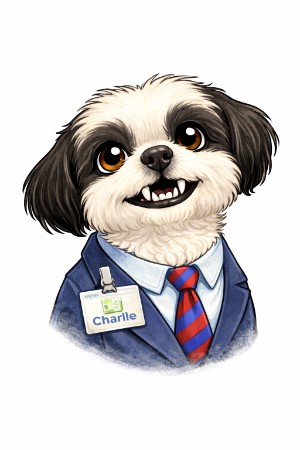
The Shih Tzu is immaculate. Their desk is tidy. Their emails are well formatted. Their calendar has “focus blocks” and they will defend them like territory.
They care deeply about process, tone, and looking professional. They also have a stubborn core that refuses to be rushed.
Strengths: polish, consistency, standards. Will stop the team from descending into chaos.
Risks: resists change. Can become the person who blocks a good idea because “that’s not how we do it”.
Dwight’s note: The Shih Tzu will approve your work, but they will also reword your subject line.
A Kennel With KPIs
Every team contains a mix of breeds. This is healthy. Ecosystems require variety.
Too many Border Collies and you get burnout and resentment. Too many Labradors and you get unsustainable goodwill. Too many Jack Russells and you get constant chaos. Too many French Bulldogs and you get vibes with no deliverables.
The secret is balance. A Labrador to keep the peace. A Border Collie to get it done. A German Shepherd to prevent disaster. A Golden to stop everyone from quitting. A Greyhound to deliver quietly. A Dachshund to remember what went wrong.
And, inevitably, a Jack Russell to pick a fight with the printer.
If you don’t know which one you are, that’s normal. Most people think they’re a calm Poodle and are, in practice, a Husky in a headset.
But I will leave you with this comforting truth.
No matter how professional the workplace pretends to be, the office will always be a kennel.
The only question is whether you’re the one barking, the one fetching, or the one quietly chewing the furniture while management calls it “engagement”.


Dwight Warner is the quintessential oddball Brit, with a weirdly American-sounding name, who has a knack for turning the mundane into the extraordinary. Hailing originally from London, now living in the sleepy depths of Lincolnshire but claiming an allegiance to the absurd, Dwight has perfected the art of finding the surreal in real life. Whether it’s a spirited rant about the philosophical implications of queueing or a deep dive into why tea tastes better in a mug older than you, his blogs blur the line between the abstract and the everyday.
With an irreverent wit and a penchant for tangents that somehow come full circle, Dwight Warner doesn’t just write; he performs on the page. His humour is both sharp and delightfully nonsensical, like Monty Python met your nosiest neighbour and they decided to co-write a diary.
Known for being gregarious, Dwight is the life of any (real or metaphorical) party, whether he’s deconstructing the existential crisis of mismatched socks or sharing his inexplicable theories about why pigeons are secretly running the economy.
A larger-than-life personality with a laugh as loud as his opinions, Dwight Warner invites readers to step into a world where everything’s slightly askew—and that’s exactly how he likes it.
Discover more from untypicable.
Subscribe to get the latest posts sent to your email.